






Show Notes
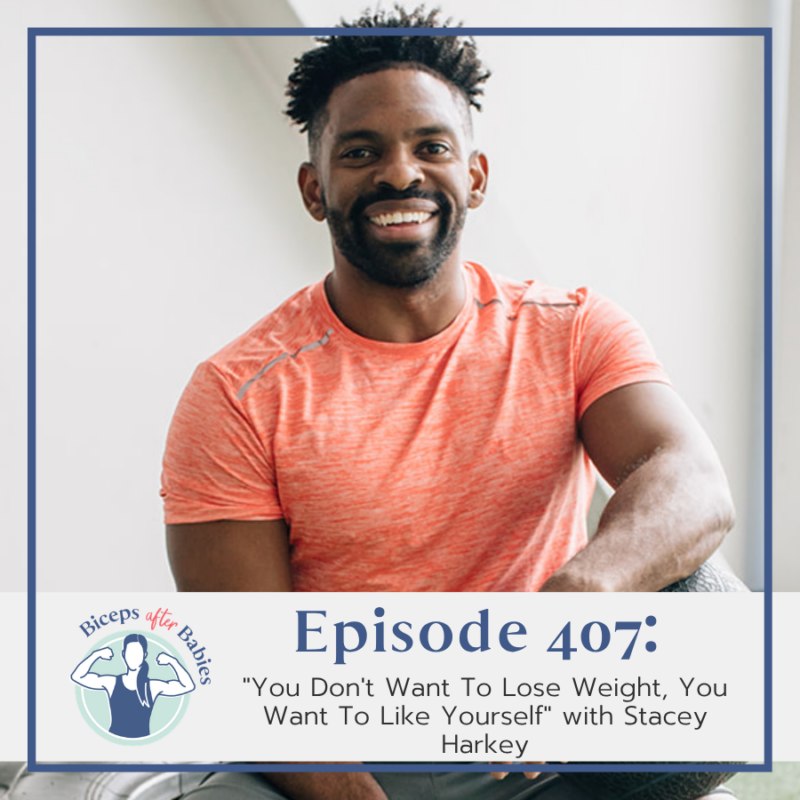
In this episode, I sit down with Stacey Harkey to unpack a truth most of us don’t realize at first: you don’t actually want to lose weight; you want to like yourself. We dive into Stacey’s journey from Studio C to personal training, and the powerful lessons he’s learned about authenticity, confidence, and taking up space. We talk about why chasing external goals like weight loss can keep you stuck, how fear and people-pleasing hold you back, and what it really looks like to build self-worth from the inside out. This conversation challenged me in the best way, and I know it will for you, too. If you’ve ever felt like you’re not enough or that you need to shrink yourself to be accepted, this episode is your reminder: you were meant to shine.
Follow me on Instagram and Tiktok!
Highlights
- Stacey’s Childhood and Personality, Early Ambitions and Entry into Comedy 04:34
- The Value of Consistency, Creation, and Repetition 11:48
- Embracing Authenticity and Its Impact 19:29
- Body Image, Shame, and Physical Expression 22:21
- Coming Out and Initial Reactions 24:09
- Internal vs. External Validation 26:30
- The Venus Flytrap vs. ZZ Plant Analogy 28:17
- Stacey’s Entry into Fitness and a Defining Moment 32:11
- Owning Your Space as a Service to Others 44:36
- The “Sun” Story: Embracing Your Right to Shine 48:38
Links:
Introduction
You're listening to Biceps After Babies Radio Episode 407.
Hello and welcome to Biceps After Babies Radio. A podcast for ladies who know that fitness is about so much more than pounds lost or PR's. It's about feeling confident in your skin and empowered in your life. I'm your host Amber Brueseke, a registered nurse, personal trainer, wife and mom of four. Each week my guests and I will excite and motivate you to take action in your own personal fitness as we talk about nutrition, exercise, mindset, personal development and executing life with conscious intention. If your goal is to look, feel and be strong and experience transformation from the inside out, you my friend are in the right place. Thank you for tuning in. Now, let's jump into today's episode.
Hey, hey, hey, welcome back to another episode of Biceps After Babies Radio. I'm your host Amber Brueseke. And I have to be honest with you, this episode, it kind of wrecked me in the best way possible. My guest is Stacey Harkey. He's a comedian, a content creator. He's a personal trainer. And honestly he is just one of the most magnetic humans I've ever talked to. I had such a good time recording this episode and there were so many amazing moments where we just connect a whole lot of dots that I think are going to apply to a lot of you in your fitness journey. You might know Stacey from Studio C, which is a sketch comedy show that took over BYU TV and basically took over YouTube with tens of millions of views. If you don't know Studio C, you should pause this right now, go over to YouTube, Google or YouTube search Studio C, and then you should just watch a bunch of their videos. They're hilarious. And they're videos that you can watch with your kids. So you guys should sit down as a family and that's what you should, that's what you should watch tonight.
But Stacey now is coaching women in the gym, helping them get strong. He works with women in their fitness journey. He does DEI work on the side and works in marketing. But we talk a lot in this episode about some of the things that he's learned from his own story and his own evolution and, and then what he's learned coaching and training other women. Because here's the thing. So many of us think that we want to lose weight or we want to hit a PR or we want to fit into those genes. But what we actually want is something deeper. And underneath that, we, you know, we want to feel good about ourselves. We want to like who we are. And those are two different goals, right? Chasing a weight loss goal or chasing liking who you are. Those are different goals. And so chasing the wrong one is why a lot of us stay stuck. So Stacey brings a lot of humor into this conversation, a lot of wisdom. And Oh my gosh, if you aren't looking for a pep talk today about how amazing you are, this episode is one that you need to hit play on.
And you have to stick around to the end of the episode because Stacey tells this amazing story from his grandma that just like, Oh my gosh, it just like put a cherry on top of this whole entire episode. So in this conversation, we talk about authenticity. We talk about taking up space in the world and in life, you know, why women have been conditioned to dim their light for everybody around them and what it looks like to stop doing that. And, and then yes, that story about his, his great-grandma at the end, I'm still thinking about it. So definitely don't miss that. All right. Without further ado, let's roll the episode with Stacey Harkey.
Amber B 03:27
All right. I'm so excited to invite to the podcast. Stacey Harkey. Stacey, how are you doing?
Stacey Harkey 03:34
Hey! I'm so excited to be here. I was like, I'm like trying not to fangirl.
Amber B 03:39
Oh, stop, stop. I, I am really excited to have you. I think your story is fantastic. I think you are fantastic. I was actually just scrolling Instagram before we hopped on and like one of your Reels popped up and it was just like, I just enjoy your content so much and I enjoy you as so much as a human and as a person. And I'm just excited to introduce my audience to you.
Stacey Harkey 03:59
Oh Amber, thank you. I appreciate it. I'm excited to be here. You have like a pretty cool audience. I love your message. I love your tone. So I hope you like roast me a little bit. No, I'm just kidding. You don't do that. If you want to though, you’re open to do that.
Amber B 04:10
Okay. You open up a, you open up a Pandora's box. You’re the one who opened it.
Stacey Harkey 04:14
I know you're quick. So I was like, you think?
Amber B 04:18
Okay, so for those people who may not be familiar with you, don't really know your story. Kind of take us back to the beginning. Where did you grow up? What were you like as a little kid? Was the little baby Stacey Harkey?
Stacey Harkey 04:31
I looked exactly the same, but my body was just tiny. Same size head and everything. No, I grew up in Dallas, Texas. I grew up kind of the suburbs of Dallas. I'm pretty like conservative, Christian home. I’m like, mom was a teacher and like my dad worked for like the, you know, telephone line company been working for him for 15, 20 years, like retired, which is like rare. I feel like to hear someone work for the same company for that long. But I was always like a really curious kid and my parents were pretty involved and like, it was just like that kind of typical upbringing. Right. But I think a story that kind of sums me up is I remember once I found like weed killer in the garage, I've always been really curious. Okay. Like really curious, really just like, I was like always the sweet kid, but I was like, just had this edge of curiosity and I found this weed killer. And I was like, there's no way, there's no way you could just pour this liquid on the ground and it's gonna like kill the plants. So like the good little scientist I was, I was like, let me try it out.
Amber B 05:29
Run an experiment.
Stacey Harkey 05:31
Yeah. I took it to the front yard. I tried it out. I wait for 10 minutes. Nothing happens. I'm like, this is, this is a bust. I go about my life. About a week later, my dad busts in and he's like, what is wrong with you? And I was like, what are you talking about dad? And he's like, did you pour weed killer on the lawn? And I was like, how did you know it was me?
Amber B 05:50
That's what I was going to ask. How do you know?
Stacey Harkey 05:52
Right. Like a good scientist. I needed a controlled experiment. So I spelled my name and weed killer on the front lawn. So like for the longest, for the season, it just said Stacy and dead letters on the front. That's like, that's like me in a nutshell. I've always been curious. I actually graduated like top 10 of my graduating class. I've always been like a sharp kid. I got a Fulbright scholarship to BYU. Um, like life was just like adventure curiosity. And like, I always was like doing things in line and I was good at thriving. I don't know if that gives like things like a picture. It's kind of a lot of payout.
Amber B 06:26
I love it. Uh, and so then at BYU, you, you, you, is that when you started to do series or afterwards?
Stacey Harkey 06:34
Yo. So, oh yeah. So like, if anyone's like, okay, like I go to BYU and I am at this point dedicated to becoming a lawyer or some, you know, someone that makes a lot of money.
Amber B 06:43
Yeah.
Stacey Harkey 06:44
Also apologies. If you hear that squawking, those are my chickens in the background. Every now and then they just like go off. Maybe there's a predator out there. I don't know. But I, um, at BYU and I'm like, I'm an RA, which is like a Resident Assistant where I'm like, you know, cause I was like, I'm going to work at this Fulbright scholarship. I'm going to be a lawyer. Like, Oh, and this guy asked me, he's like, Hey, will you audition for this on-campus sketch comedy thing? And I was like, I didn't want to be like, that's dumb. I'm supportive. I believe in my friend's dreams. I was like, let's go. I'll, I'll do it to help you out. So we do it together. Well, I get into the sketch comedy group called Divine Comedy. He does not. And Divine Comedy, a couple of years later, turned into this thing called Studio C where it's like, all of a sudden we're doing live shows on campus at BYU. I don't know if you saw, did you ever see any of the shows?
Amber B 07:35
Oh yeah. Oh yeah. Totally. I went to Divine Comedy a bunch. Yeah.
Stacey Harkey 07:39
No way. Did you ever see me in a show?
Amber B 07:41
I don't think we overlapped. I think you came, like, when did you start?
Stacey Harkey 07:45
I started, I probably got into Divine Comedy in 2010.
Amber B 07:49
Yeah. See, I went there 2002 to 2006.
Stacey Harkey 07:53
Oh, okay. Good.
Amber B 07:54
I was just a little bit, but I went to Divine Comedy back then.
Stacey Harkey 07:56
So we're probably, we're probably sitting by each other to show. So I, um, it's like, we took it from like live sketch at college, which we'd sell out in like two minutes, which was crazy.
Amber B 08:08
Oh yeah.
Stacey Harkey 08:09
We're talking like 800 seats per show, four shows a weekend. Um, so we, all of a sudden they, BYU TV takes this chance on us to make it a TV show. Cause we're like, we think there's a demand. And sure enough, it like kind of exploded in the community. Like there was definitely demand on BYU TV, which before us the most popular show was like Fonz and Porter's Quilting, which is, yeah, I know. So maybe, maybe the competition wasn't super high, but the viewership was like 2000 people would tune into the show. And then Studio C, which is like a totally different flavor comes out of nowhere. And all of a sudden everyone's like people want to see like BYU kids do comedy. And we were like, I guess so, you know?
Amber B 08:53
Yeah. Yeah. Did you guys start the YouTube channel at the same time? Or did that come later?
Stacey Harkey 08:57
We came a little later. So around the time we started, oh my goodness, this is going to date us. YouTube was just catching on through. So BYU TV is with associated with the LDS church. Right. And so there was the LDS church had a YouTube channel and the biggest video on it was, um, like the Mormon tabernacle choir singing how great thou art or something. And then all of these sketches, cause we were like, let's just start loading it up. And the channel starts growing. And at a certain point, it was like a big milestone where we were like, should we take off the ” Amazing Grace ” or ” How Great Thou Art ” song? And it was like, oh no, but we did. And it, from that point on, it was just like Studio C. So we were kind of in the beginning of this like YouTube growth, which was kind of exciting. And we didn't, didn't know what to expect.
Amber B 09:44
Oh my gosh. So, okay. So if you guys are listening and you have no idea what we're talking about, go and Google Studio C and go and just, you'll just thank me later because you can just go and watch all of those like best hits videos. And I mean, what was so original about Divine Comedy and then Studio C was that it was like comedy. It was sketch comedy, but it was all clean. Right. So that was like this little, this niche that was like kind of underserved, like clean comedy. Um, and yeah, it just like blew up on YouTube, on, you know, BYU TV. And I, the, is the soccer one the hit in the face?
Stacey Harkey 10:19
That's, that's the, that's the most viewed. I think it's got like 50 million views, if not more at this point. But cause I was like involved with marketing. So I always keep tabs being like, Oh, what's happening. Wasn't, you know, whatever got Sterling. We thought we did a parody of The Hunger Games, which is really fun and popular. And, but we thought that was going to be like our first video to cross the million threshold.
Amber B 10:40
Yeah. Was that the one with the ring?
Stacey Harkey 10:42
It's it's the one with, um, it's like The Hunger Games characters singing songs to each other.
Amber B 10:47
Oh yes. I know what you're talking about.
Stacey Harkey 10:48
Oh yeah. There's like three of them. There's like Katniss has a song, PETA has a song and Gail has a song and I play Sina. And then I play Ruth, a little girl who liked that. Yeah. I didn't mind. I was like, the one black character has to like, no one else can play. Yeah. Yeah. But, um, I, Scott Sterling came out and we were like, Oh yeah, yeah, yeah. We'll see what happened. Like SportsCenter picked it up all of a sudden, like Shaq commented on it. All of a sudden, all sorts of people are like pointing out this thing that we've been doing. And because we had a big backlog of material, like all of a sudden people were going through the rabbit hole and finding all this stuff. And we just saw all this growth. Like I think in Bosnia, they reported that the, they reported that it was like a real soccer game and the guy died.
Amber B 11:35
Oh stop.
Stacey Harkey 11:36
Oh no, no, no, no, no. It's just a, it's a sketch comedy. We filmed it on the, on the college soccer, you know, field. So it looks real. But yeah, we had, we had a good time with it and it was kind of like a wild ride, like wild.
Amber B 11:48
Yeah. Yeah. Because you guys didn't really expect that it was going to grow. It just kind of came out of nowhere.
Stacey Harkey 11:54
You know what, like, you know, what's crazy about it though is I think we have a tendency as people who are like creating, and that's a lot of everyone, like has this capacity, this desire to create in different ways. Um, I think it's easy to like, at that point we have like hundreds of sketches on the channel. Like we had a big old backlog of content, nothing. I mean, people enjoyed it, but it wasn't like popping off. Um, and it's kind of crazy to think that one of the things that benefited us a lot was that by the time we did pop off, we had this backlog and I think there's this tendency, right. To be like, nothing's happening. Like I made four things. I'm like, no one likes it. But like we were just following our heart and having fun and honoring, like staying in alignment with who we were and what we thought was fun and funny. And eventually the right audience found us. And so I always tell people like, you just, you keep creating, you keep doing your thing. You know what I'm talking about?
Amber B 12:45
Yeah.
Stacey Harkey 12:46
It's like, it's easy in the beginning to be like, nothing's happening. And you know, it's important to pivot, but like you do, if you love what you're doing, like that should be enough like fuel until I keep you going. And like, if you're doing it because of validation, that's so
Amber B 13:06
It’s Sandy foundation. Yeah.
Stacey Harkey 13:08
Yeah, exactly.
Amber B 13:09
Plus, plus you guys had the reps too. I think that that's something that a lot of people don't understand is like you put in the reps, you had the practice ahead of time. And then when you're hit it big and you have a lot of eyeballs on you, like you've done all the reps, you've done all the work you've gotten better because anything that you do, I'm sure if you go back and watch your guys’ first video compared to like the video that popped off, like you got better. So even like, even though you don't have the outcome that you wanted this viral video moment, it's like, you're building the foundation to be able to sustain it when you get there.
Stacey Harkey 13:37
That's exactly it. I think that's like a brilliant aspect of like, not only is it like the marketing of like, when will people find us? But like honing our skill, like at the point, Scott Sterling popped off, we'd been performing together. Some of us have been performing for almost like 10 years together. So like there's a lot of like time. And like now we, we still are doing, we're doing JK Studios. We left Studio C, started JK Studios. Um, and we're just like doing live shows and having a good time. And we've been performing so long together.
Amber B 14:04
It's awesome.
Stacey Harkey 14:05
It's crazy. We're putting reps in.
Amber B 14:06
Well, and I think sometimes you look at people who like, maybe you just found out about, or somebody finds you guys on YouTube and it's like, look at their an overnight success. And it's very rarely that someone is actually an overnight success. And it's what appears to be an overnight success. You look back and you've been doing it for 10 years. And then you have your overnight success moment because you did all that work ahead of time.
Stacey Harkey 14:26
Uh huh. I always want to like with, Oh man, I was literally just talking to a client today who was just like, my body's falling apart. Like, I'm like, I'm fighting for my life. I can't even look at a food thing without feeling like I'm throwing everything I've been working on to the wind. And I was like, Oh, tell me, tell me about where were you like two years ago? And she starts telling me about her life. Anyways, it's more so like the thing that I want to like, I think sometimes I want to grab people and shake them is like, it's so easy to focus on what you don't have.
Amber B 14:57
Yeah.
Stacey Harkey 14:58
And I think she has a lot going on where she's like, Oh, health wise, this is happening. This is after we just did like an hour of intense cardio. We just busted out an hour of intense cardio. And she was like lifting consistently. And I was like, mama, you should be fighting crime. Like you are elite. Like it's so easy to be like, but I'm not this. And it's like, you are so much to be celebrated. And I don't know. I think about like our work and the work we do too, where it's like, I don't have this thing. It's not getting that. And it's like, you are, you're killing it.
Amber B 15:27
Yeah. I love the book, um, The Gap In The Game. Have you read that book by Dan Sullivan?
Stacey Harkey 15:33
No.
Amber B 15:34
I mean, it's essentially that concept is that like, so often we focus on the gap, which is the gap between where we are and where we want to be instead of focusing on the gain of where we used to be and where we are now. And our brain just like tends to want to focus on that gap. And when we do what you did with your client, which is like turn and focus on where you've come from and how far you've come, like how much more motivating is that?
Stacey Harkey 15:54
Yeah. And not even like, it wasn't to discredit that her like point, like she was trying to make, it wasn't to say you're wrong, but it's to say like, look at how resilient you are. Look at how strong you are. Look at what you're pushing through right now. And you have the nerve to look me in the face and tell me your body's not amazing? Like you have the nerve to look me in the face and tell me that you're not cutting the mustard? baby. You are the mustard. Yeah. You know what I mean?
Amber B 16:20
Yeah. Totally.
Stacey Harkey 16:20
Come on.
Amber B 16:21
Yeah, it's so good. Okay. So you've been very open over the years about like you suppressed a big part of who you were and hit it for a very, very long time. So can you talk us through a little bit of like what that felt like to feel like you had to hide a part of yourself and then finally gave you the courage to let it out?
Stacey Harkey 16:42
Yeah, I, I've been, yeah, I've been super open, almost a little too open, you know what I'm saying? Some people might say. Um, but at a certain point, once I started leaning into authenticity, I was like, I'm never hiding who I am for anyone again. But yeah, there's a big part of me. And I think it, like ties in a lot, correlates a lot with this like overachiever vibe where I kind of excelled at everything. There's always this part of me that I kind of have had a hard time. I didn't accept that. I kind of just hid it, especially as a kid. I like stuffed it down and I just, I threw myself into school, ignored some of these other aspects of like social interaction and just like dove in. And then I go to BYU and a lot of people are like dating and like starting to get, you know, get married and stuff. And I just stuffed it and threw myself into, you know, career, work. And I excelled at BYU. I did, I did great there. Um, but at a certain point when Studio C is kind of at its height, kind of a little after Scott Sterling, um, I couldn't, I couldn't quiet the noise anymore. I couldn't keep a, keep a lid. The pressure was building. And I felt like I was going to explode. Parents would pull me aside and be like, I want my son to be like you. I want my daughter to marry a guy like you. And I would just be like, this whole time harboring this secret. And I remember the first time I kind of confronted that secret. I was like in the mirror and I was like, Stacy, you are, ugghh, I couldn't even say it. I was like, uughhh.
Amber B 18:12
Say it.
Stacey Harkey 18:13
Ugh! Gay. And then I like died. I was like, no, this is what I thought to expect. And that having to sit with that was like one of the toughest things, this fact that I'd been running from relationships my whole life. I've been running from myself. Um, now I have more perspective, but when I was younger, I always figured that that little element, just that element of attraction was something so small and easy to, but the thing is when you ignore a part of yourself, you ignore more parts of yourself, yourself. And I thought I could compartmentalize them until one day I found myself at my wits end. And I'm in my room. I'm like on my knees, like begging God. And I was like, like my whole life. I'd always pray and be like, God, fix me, please. I'm doing everything. Fix me. And nothing changed. And I was so by the book, man, I was doing everything in every area. And I finally had to sit with the fact that who I am wasn't going to change. And the fear that came in with that, like, if who I am is not going to change, like, what does that mean? What does that mean? And I will say, I felt just like, so it just immediately as that fear hit, I reached out to some friends and was able to like, kind of talk it out. I'd never really talked to people about it. And kind of the thing that I took away from that was like who I am, like is not a mistake. This, this is who I am. Who I am is my greatest gift, my greatest resource, my greatest asset. And when I run from that, I neglect some of these beautiful skills and talents and gifts that come with that. And so I started trying to like make peace with myself. Like how do I embrace who I am? And slowly and surely, I kind of set with the fact that, okay, Stacey, you're gay. Hmm. Um, and then after that was talking to other people about it. And then after that was like, what does that mean relationship wise? And I was like, I think I want to date. Oh my gosh. And this whole time, I'm like, get leaning into this authenticity, doing those small steps to kind of embrace myself. And honestly it wasn't like permanent decisions. It was just me getting data being like, well, how do I talk about this thing? And what's crazy is you see, and I've had people point this out, my comedy, my writing evolved. Like once I started being able to be my whole self, it just like evolved. And fitness too helped a lot. Like the idea of like, if you want change, you can't get it at 70%. You got to put your whole self into it.
Amber B 20:42
Yeah.
Stacey Harkey 20:43
And it's beautiful that like, I thought I was going to lose so much from like sitting with this part of myself and it's opened up so many doors just of authenticity of connection. Yeah. And I mean, that's like a long way to kind of go into it, but like,
Amber B 20:58
I mean, it's so good. And one of the things that I kept thinking, as you were talking about this is it relates so much to work that I've done with clients on making peace with their body. Like it's, it's a different, it's a different realm. There's so many similarities in that because there is this idea in their head that if they make peace with their body, they're going to lose something. They're going to lose a drive. They're going to lose a motivator. They're going to lose like that goal that they've always had. And, but the inverse tends to happen is like when you actually make peace with who you are and where you're, where you're at, it's like rocket fuel to where you want to go. And you, and when you incorporate all those parts of yourself, like it is such, you don't actually lose anything, I guess is my point. And I think our brains are so afraid we're going to lose something. And just like you said, on the other side of it, there's so much available to you when you can make peace with yourself.
Stacey Harkey 21:48
Yes. It's the fear. Like fear is like such a limiting factor. Of course we have to be smart. Like you're standing on the cliff, like, yeah, but when it comes to like life and being who you are, that fear, that fear of rejection, community, that fear of what are people going to think of judgment is such a limiting factor. I was working with this client the other, well, it was a while ago. And I noticed that like, you know, form wise or shoulders are always coming forward and that can be dangerous when you're doing surgery. You have those shoulders out of back in that upright form. And at a certain point we had to get into it. It was like, okay, what is, what's keeping us here? What are we trying to hide? And as we unraveled and it kind of just became this little session, who knows what was going on. But as we kind of unraveled it, she developed breast at a young age. She was young. She got all sorts of attention and people said things and she knew that she needed to hide that part of herself. Those weren't something that she wanted. She didn't want that attention. And as we kind of came to the conclusion, she kind of had the takeaway where it was like, mama, you have to embrace all of you. If someone has a problem with your body, that's personal. And I know it's, I know that's loaded and I know that's scary, but I am here with you right now. And I will go to bat. I will, I will jump somebody if they even look at you funny. I was like serious about it too. And so as we kind of started easing in and getting that comfort, she started getting her shoulders on her back, sticking her chest out a little bit more and her fitness changed literally like a week ago. She goes, this only happened and she goes, because you helped me embrace myself. And we start crying. And I was like, no, you embraced yourself. You were ready for this. But she was like, she's like owning her body. And you know, all that, you know, all that negativity, all the gross, like that is people projecting their own problems. And if you, you gotta stand up, you gotta hold yourself tall, baby. Anyways, that was like a cool concept too, of like, she owned herself and she saw like monumental growth. It's kind of cool.
Amber B 23:58
That's really cool. Uh, you, I mean, you were in the public eye. So I am curious because a lot of like the fear probably was, was like, if I come out, then people won't like me. People will talk about me. People will say bad things. And I'm sure that happens. Like to some extent, I'm sure that that happened.
Stacey Harkey 24:13
I've already experienced with just being in the public eye and with a, if I'm just being honest, like a pretty heavily conservative, like a fan base, I was constantly getting comments about like, like there's a comment in a sketch where I was like dating, um, one of the other women in the cast and she's like white and people were just like so offended that there was a bi, like a biracial couple. Yeah. And they called me all sorts of names. Some of that should be said, like, like being in the public eye and getting that kind of feedback, working for BYU TV, people being like, you're not religious enough. Like that was like, come on. But this was different, right?
Amber B 24:52
Yeah.
Stacey Harkey 24:52
It's one thing to be, um, judged for like something that happens. The other thing to be like judged for who you are. And so it was scary. And I thought I was going to, I guess like I could lose my family. I could lose my friends. I can lose my job. And, um, luckily at this point, right before I came out, I had, we'd started JK studios and I pulled my company together and I'm like, I'm going to come out. I talked to my friends and they were like all wildly supportive. There's maybe a couple of people who weren't, but like, I expect it worse to be honest.
Amber B 25:20
Yeah.
Stacey Harkey 25:21
And I talked to my company and I'm like, Hey guys, I'm going to come out. This could be negative for the company with our fan base. And a friend like pulled me aside in that meeting. And she's like, if they don't want you, we don't want them. And I was like, Oh, Oh. So I came out and, um, there were comments. And I think there was a lot of like, I think if I'm being so honest, I feel like a tiny, tiny, tiny portion was like homophobia. I feel like there was a lot of confusion, a lot of questions. And I think things that felt homophobic were just people not really knowing the voice, what they were feeling or trying to work through their own thoughts, but like an outward way. Um, so yeah, I did get a lot of pushback, but I didn't like lose that many friends. No, I didn't lose that many people. Like, and the people that I did lose, like how would I want them in my life? You know what I mean? Like, do you, do I want a friend who's like relationship with me? It's just conditional on how I express my attraction to others. Like, I don't think so.
Amber B 26:23
Yeah. I'm good.
Stacey Harkey 26:24
And it has been tough with family. There's like, I don't, I don't really have a relationship with my mom and we were pretty tight. But the thing is like, once I started standing up for myself, like once I, like you have to be your biggest ally, you know what I mean? You've seen everything you've gone through. Um, you know exactly what you've, what you've been put through, what you're capable of. You got to stand up for you. You got to stand up for that body of yours. And once I started standing up for myself, I had less patience for people who were not like, we're trying to pull me down, you know? And it wasn't even like anger, like how dare you? It was more so like, Oh, we're on different pages. You know what I mean? Like the temperature in this room, not for me. And that's okay if it's for you, but I'm going to go find another one. You know what I mean?
Amber B 27:06
Yeah. It's like a peaceful, peaceful closing.
Stacey Harkey 27:07
Yeah. I want to be around people who vibe with me. If I go to a restaurant and there's nothing there on the menu, I'll gladly go to another restaurant and there's no judgment. Yeah. It's like, yeah, you do you that's not for me. You know what I mean? And that's kind of been like a good guiding principle for me.
Amber B 27:24
That's awesome. I am. I'm really curious. So one of the things I see a lot of women struggling with is internally validated themselves and they're always looking to like other people to validate them and tell them they're good enough. And, and like what I hear a lot in your story is like your ability to internally validate yourself and like allow people to have their own perspective and allow that to be their perspective. And it doesn't have to be anything about me. Do you feel like that's something that you were just born with? Is that something that you developed? And if there's somebody who's listening to this podcast, who feels like they've built their life on external validation and they're wanting to move into a more internal validation, you know, system, what advice would you give them?
Stacey Harkey 28:02
It's so human. I actually feel like being gay, being black, that I feel like coming out for me was really helped by being black. It wasn't the first time people had an opinion about me for something. I couldn't control
Amber B 28:11
Or you could change. Yeah. Yeah.
Stacey Harkey 28:13
The comments I got when I first moved to Utah for school, I was like, this is crazy. And actually spend a portion, a good portion of my time. I volunteer with a nonprofit and I'll go to companies and talk about my experiences of being like black and gay in the workplace and how we can make more safe places. And it's like, not to be like change, but to be like, ask the questions. I know you might have a question in there that you might feel unsafe asking, ask away, you know, kind of thing. So I'm like really comfortable with like being in new spaces, but personally it is tricky. And I I'm such a plant guy. I mean, like before we started this, I was like, let me put some of my babies in the background. I don't know here. I was just putting these here for the moment, but I am a big believer. Well, I'll tell you, I'll tell you, I'll let you do with this. What you want. Do you, have you heard of the Venus fly trap?
Amber B 29:01
Yeah.
Stacey Harkey 29:02
Yeah. It's like this, like kind of a cool glitzy glam. It's like a plant that eats bugs. Like how like rock and roll is that, you know what I mean? It's like a, like a fly will land in it and just closes up and you don't get that from nature. Right. But the thing about the Venus fly trap is a Venus fly trap has to eat bugs because it's soil is incredibly, it's just incredibly poor. It's root system, incredibly poor. And so the Venus fly trap has to receive external support to thrive or survive at all. And it's a finicky plant. It looks rock and roll. You change the light, you change the humidity, you change the amount. You got to use like perfectly pH balanced water. That thing's going to shrivel up and die. It needs that external support to survive. Now compare this to, one of my favorite plants called the ZZ plant, not glitzy, not very glamorous. It's just like your typical plant stem leaves. But I love this plant because you can put a ZZ plant in a, like Harry Potter in like a dark, you know, closet under the stairs and that thing will grow. You can turn and turn the light up. It'll grow. Turn it down. It'll grow. Forget to water it. It'll grow. This plant can thrive no matter what situation it's in. And it's because the root system of the ZZ plant is incredibly, incredibly, um, effective, has these bulbous roots and it stores water and it stores nutrients. So when it's external environment changes, that plant can still grow. And so when I think about what it means to like believe in oneself, I'm like, you have to be as easy. Your sense of worth has to come from inside because if your sense of worth comes from the outside, like a Venus flytrap, you are a slave to your environment. People stop telling you you're great. Oh no, you get older, get a wrinkle. I'm worthless. Like, you know what I mean? It's like if you're external validation, if that is your source, your resource of growth, we got a problem. We need a more robust root system. We need a ZZ. And to develop that root system, you got to start doing some internal work, baby. You got to start sitting with some scary stuff and you have to get to know you and you got to be able to support you. I know that's like, I know that's kind of random. I don't know if that makes sense.
Amber B 31:17
Oh, I in, we just need to be a ZZ plant as when I'm here. That's amazing. No, I love, I love that analogy. I will probably steal that analogy and use it.
Stacey Harkey 31:28
Please. I get so many of my analogies from plants. I'll just be like watering a plant. I'll be like, that's crazy.
Amber B 31:34
Teach me so much.
Stacey Harkey 31:35
Yeah. But it's like, it's like, it's like, you can't really see that root system, but it's in there. You don't always, you can't always see someone and just know, Oh, they're confident. And we know this, we see, we know some of the most beautiful people that have the weakest sense of self. And if the, if the person who is flawless, who maybe even you look like, and you're like, I want to be like that, doesn't believe in themselves. It doesn't have the confidence. Then I think we might be chasing the wrong thing. It's like an indicator where it's like that chase is gonna never end up in like reaching. You're never going to lose enough weight to like yourself. You're never going to be strong enough. Like yourself. That is just like, you know what I'm talking about? It's like a treadmill. It's got, it's got always got more coming. Yeah. Right.
Amber B 32:18
Yeah. So good. So let's talk a little bit about fitness. When did fitness become a part of your life?
Stacey Harkey 32:25
Oh my gosh. So, Oh, this is crazy. This is actually like wild. So I'm at BYU TV. I'd graduated college. I'm working for Studio C. I was just like, I was always very active. Like I played my family. We just like goof around a lot, but in college, I wasn't really moving as much. And I was just like, I, I was tired of reading what they want. I wanted to read, I wanted to read what I wanted to read and just vibe. And I started gaining weight. And, um, one thing that happened was I didn't really think much about it. Like bodies change. I'm like this guy that's like lived in like, Oh, I don't have to think too much about my body. Um, I get pulled aside by a producer at Studio C and they're like, Hey, you're getting too fat. And I was like, wow. What? And they were like, yeah, you're getting too big. We all notice it. Um, you need to. And it's like, they're like one of the biggest issues is for our wardrobe budget for you. We buy clothes for you for the show. You're getting too big for some of those clothes. And so it's going to cost us more money. So you got to drop weight. And I, dude, do you want to talk about like body fears? I was like, man, have someone pull me aside at work. Yeah. I'm doing comedy. I'm not even like doing a CW show. Like, come on. They pulled me aside and they're like, you're too fat. I was like, whoa, insecurities and fears. I didn't even know I had just like rushed in. Right. I was like, Oh my God, it's crazy. Um, a friend, Natalie Madsen,
And that's when something clicked for me when I was like, Oh shoot. I don't think I want to lose weight. I think I want to like myself. I don't think I'm trying to lose weight. I think I want to feel comfortable in my own skin. And so it shifted everything for me about how I work out. And I dove into this, like just this rabbit hole of like, how do I make peace with that? I stopped focusing on the scale and I started focusing on what I could lift. I stopped focusing on so much like calories. I started focusing on how much, how much distance can I do? Like, you know, performance style. And in that realm, I started like getting more interested in fitness and the mechanics of it. And I became a personal, you know, I started teaching cycle and then I later became a personal trainer. And then just things kind of corralled. And the whole time, my whole mantra is like, what do you want? Because chances are sometimes the easy, like superficial is like, oh, don't lose weight. But often that's tied to something deeper. And so that is like where I really derive a lot of passion from in fitness. And that's kind of my fitness journey is like, I want to help people get to down, down to what they want and then to get it because chances are it's, you know what I'm talking about? It's like deeper than just like looking good. It's like, no, you want to feel good. You want to accept yourself. Do you want someone else to accept you? Why? You know, kind of thing. I'm not a therapist. I just want to be clear.
Amber B 35:56
Yeah. Yeah. I mean, there's a little therapy that goes on with, uh, like, uh,
Stacey Harkey 35:59
It correlates in and around.
Amber B 36:01
It's like the hairdressers and the personal trainers of the world. I am curious how, like, I'm sure there's somebody who listening to this, who's like, wow, I never thought about that. So it's a question of like, what do I want? And then what's underneath it is kind of what you're pointing to. It's like, there's something underneath it. How would you suggest somebody gets to that? How did you get to that?
Stacey Harkey 36:22
That's so funny. I have all these like models and thoughts I think for me, and I've applied this in different ways. There's like the twofold process, um, of like essentially authenticity, like essentially and the first part of that is you have to like, in order to like be your best self, you have to like get to know yourself. So the first part of that is like, get to know yourself, find out who you are. And whether that was me in fitness being like, what am I into? Or how am I driven? And what motivates me? Or me and being gay being like, do I like, who am I into? What am I like? What is it? What do I exist? Like that took a lot of like trial and error took a lot of trying new things outgoing, being uncomfortable in new spaces. And so the first part of like, do the data, do the research, find out who you are. I didn't even know what my favorite color was or what my favorite food was. I just was like, whatever people told me. So there's a first step, you know, do the data, get to know yourself, find out who you are. And the second step, which is be that let the external match the internal, right? It's like the internal work, finding who you are and the external work of living that. So you do this to the work, you start diving in, you realize, Oh, I'm very insecure about my body. Ah, that's interesting. Okay. What do I want to do? How do I want to grow? Um, that's the internal stuff. The external is being that, okay. I know I want to own my space. This is going to be so terrifying. It's like, you're like putting yourself out in front of people. But for me, that's like a huge model of how I start working to really develop that inner sense of like self-confidence that like greater sense of power and authenticity, internal work, and then external reflection of that.
Amber B 38:03
It's so good. That's really good. Uh, what I was thinking about when you were saying that is how often I, and this goes back to our conversation of like external internal validation is I see a lot of women who are so based on external validation. And so based on like people pleasing that it's one of the reasons that they don't know who they are because they chameleon to like make everybody else like them. And they've done that for so many years that like they just want you to like them. So they'll be whatever you want them to be. That is that first step of like, okay. But outside of that, outside of like trying to make everybody happy with you and make everybody love you, who are you at your core? And then let's work from there instead of this like hypothetical person, you've concocted yourself to be society or a man or whatever it is that you've done.
Stacey Harkey 38:48
Wait, have you always been that way? Do you feel like you, cause I feel like you like own your space so well. Have you always been like that?
Amber B 38:54
You know, I, I think I, it was modeled for me from a very young age. I was actually just talking to my sister about this. There's four girls in my family and all four of us have really developed to this place of like self-confidence. I'm just like, Oh, um, and I think it was modeled for me from a very young age, from a mom who, who did that. And it's one of the reasons that I have this platform because I think a lot of women didn't grow up with that. They didn't, they grew up with a mom that was very self-critical or a mom that was always dieting or always like trying to get smaller or always trying to like, whatever, right? Like, that's what they grew up with. And so they didn't have that modeled for them. And my whole vision is like, you can be that for your kids, right? Even if you didn't have that, we can change the family tree and you can model that for your kids. But you have to do your work first before you can pass it on.
Stacey Harkey 39:42
Renee Brown talks about it. She's like, you can't fake that insecurities. If you're not making peace and solution with that, you're going to project that onto your, your kids. Um, and you, I mean, we all know like, especially with like little girls and their moms, that's a very special relationship and there's a lot of studying happening.
Amber B 39:54
Yeah. For sure.
Stacey Harkey 39:55
I think you're being seen or not the way you talk about your body will.
Amber B 39:58
Yeah. Or even just like the way that you, cause I know a lot of moms, um, they say, I don't say anything bad about my body to my, in front of my kids, but like, you don't have to say anything. If you believe it, it's going to come out anyway. No words have to be spoken for that to be communicated. And that can feel a little unnerving. All right. As parents, we're always like worried about how we're going to mess up our kids. Um, and you know, my kids are going to need therapy about something. I, I guarantee it. But like the amount that I can limit the amount of therapy that they need is, is what my job is.
Stacey Harkey 40:30
We're trying to save bills in the future.
Amber B 40:32
Yeah. Right. Like less therapy bills. Uh, but I think that that is a, it's a sobering thought that what you communicate to your kids is so much more than just the words that you say. And so that is why like doing your own work is so important. And, um, you know, we all have issues. We all have problems. We all have traumas. That's not your fault, but it is your problem to deal with now. Right. It's like, it's not your fault, but it is yours to fix or to deal with or to work through.
Stacey Harkey 41:01
That's exactly it. It's like, yeah, this is your life. Take it into your hands.
Amber B 41:05
That's right.
Stacey Harkey 41:05
I think that's so astute. Like just like we, and I think that's one of the benefits I have just from being honest to being like a man, like I was raised, I was taught, take up your space. I was taught, you know, you rang the life by the horns and you, you know, and like my sister didn't have that same experience, you know what I mean? And so to like, and that's another thing is like, I'm glad that I can hopefully hold that and just be like, does that make me any less, you know, successful or qualified? No. But I think it's good to hold that and be like, the people, a lot of the women I'm working with, they've experienced such a different upbringing and style. And that is so hard. And it's so valid that you were like, that's so difficult. But like you just said, like, like it doesn't matter. It doesn't matter who made the mess. It's in your living room. You know what I mean? So it's like, yeah.
Amber B 41:59
Yeah. Okay. Stacey, I can just imagine you in the gym, like training your client and you're like helping her to like take up space. And like, what, what would that sound like? Like, like if a woman is listening to this and it's like, I just want Stacey to like get into my brain and like hype me up and like, tell me to take up space. Like, what would that sound like?
Stacey Harkey 42:18
That's so funny. I I'm so straight up, man. And I, one of the things that's big about me is I will not lie to you. That is so important to me. And so my clients know, they know when I say something, I mean it. And I don't want them to be like, is he just saying that to be nice? That's not who I am. You might think it that's not who I am. Uh, but it is so important to me. I am, I am like really deto-oriented with form and stuff, but sometimes I'd be getting emotional when people have good form. I'll be like, you just see like tears form. I'll be like, Lord have mercy. But I'm very expressive. And one of the big things that I think you, this is exactly the thing you said is like, it's like, take up the space mother trucker. Guess what? You are paying me. You are the boss. You got, you got, I'm taking my cue from you. You got to take up space. And I think it's sometimes fun to just like transfer power. Like people come in and give me power and they're like, tell me what to do. And I'm like, this is yours, baby. This is your power. I will hold that. But yeah, part of that is like, you gotta be square them shoulders up. I tell people all the time, I'm like, it's only, it only looks cocky to the people who are too insecure to sit with their power. So get those shoulders out and back on your space and make some, let some weak folk gossip about you because baby girl, you take, take it up. Anyways. No, I'm, I'm really straightforward and I'm very explosive in my opinions and thoughts. So sometimes you'll just hear someone yelling at you and be like, Oh my God, that's amazing.
Amber B 43:45
You guys, if you can't, if you're listening to the podcast, you can't see his, Stacey, he's rolling his shoulders back. Like, and I think it's like that physical, like that physical manifestation of like, yeah, take up the space. It reminds me of, are you a Ted Lasso fan?
Stacey Harkey 43:58
Oh, I love Ted Lasso. Especially season one. I saw parts of season two, but season one I loved.
Amber B 44:02
Season one is fantastic. I think it's actually in season three, Rebecca, she like, she like does this like big pull up where she like makes herself really, really big. And she does this like hissing sound and it's like, make herself feel confident before she goes into like a meeting with a bunch of guys. And that makes me think of it as like, sometimes you just have to get your body into the state of like, I am confident. What would my body look like if I was confident? And then that creates that sense of confidence that you're looking for.
Stacey Harkey 44:28
Yeah. We know that like from like research that our body can cue our mind to feel some ways and vice versa. You start feeling insecure and uncomfortable. Your body will sometimes mimic that more often. And the other way around, there's a really interesting Ted talk about it, which I love. Um, when I was doing PR, uh, studying PR at BYU, we had these big presentations and I just saw this Ted talk about how different stances you take will cue your mind to like feel certain levels of confidence, decrease stress, blah, blah, blah. And so I drew out these stances on paper and I pass it on the class and people, I saw people doing it, but holding a stance, just like a power superhero stance where you're like feet or shoulder width, if not more fist on your hips, shoulders on your back, raising your hands up in the sky, open up your stance, take up space. This is your space. You do not need permission. Okay. Any building, that's kind of something I do actually. And it sounds kind of crazy, but it's like any space I walk into is my space and not like in a cocky, like this is my house. No. But like if you're in your house and someone uncomfortable walks into your house, are you going to be like, make fun of them? Are you going to put, no, you're going to make sure that they feel right at home. Owning your space is a gift to the people around you. So when I own my space as a personal trainer, my clients feel more comfortable in that space because they know, they know I got them. We're in this together. You know what I'm saying? You know, your kids, when you own your space, your kids will be like, oh yeah, mom's got it. Dad's got it. I don't have to worry too much. Even with animals. If dogs don't, if dogs don't feel like someone's taking charge, sometimes they feel a little like stressed out. So like own your space, not just for you, but for those around you. And it's like good stuff. And if you own your space in like a good, moral, healthy way, that's not going to decrease the space for other people. That's going to allow them to own their space. That's going to encourage them to be their biggest selves because you're like, yeah, that's what we're doing here. You know what I mean?
Amber B 46:30
Yeah. I mean, I think sometimes, especially with women, we've been raised to think that like taking up space or doing things for our selves is really selfish and it limits the other people around us. And like what you're saying is the exact opposite is like, when you own your space, when you take a space, when you do things for yourself, it gives other people the permission to do so. And then everybody, you know, rising tide
Stacey Harkey 46:50
It’s about like people you've been inspired by, like, you're just like, oh, they're doing this new thing. That was kind of risky. I'm going to do that. You see somebody take like a, I don't know, like a trampoline acrobatics course. That sounds weird, but you're like, I kind of want to do that. Like people taking chances and being themselves gives people permission to shine. Right. And it doesn't, there's no like real estate. There's no like limited amount of people who can shine, like shine.
Amber B 47:19
Especially when we like circling back around to like where we started this conversation. It's like, especially when you step into your authenticity, like everybody has a way to shine in a way that's unique to them. And it's like you again, shining in your own unique way doesn't make it so someone else can't shine. It's like,
Stacey Harkey 47:34
And think about it the other way too. When you're like comfortable with who you are, someone being themselves isn't going to challenge you.
Amber B 47:41
That's right. Yeah.
Stacey Harkey 47:42
But if someone like, you could see it with people too. Like I think our parents is a good example where it's like, this is not the way to be in society. Like you see someone like doing something in public, not bothering anybody. And you hear the person being like, I can't believe they're doing that. It's like, you're projecting your discomfort. Yeah. Like you, you own, you own you own them. Like you're more, you're more comfortable in your space. You're going to be okay with people doing their thing. You know what I mean?
Amber B 48:06
So good. I mean, yes, so, so good. So many good, good, uh, good life lessons. Okay. Uh, last question for you from where you sit now, your experiences working with, with people in the gym, what do you think? And we've talked about a lot of them. So if there's nothing more that you can say, we can put a lid on it, but what do you think is the biggest thing that is holding, we're going to say women back from fully showing up in their life, in their fitness and their goals and their dreams?
Stacey Harkey 48:34
Oh man. I think there's like, I mean, obviously we're so complex. There's like, and we all have different trauma we're bringing to the table. So there's all sorts of things where it's like our history here and how we feel here. But I do have, I love telling a good story. Can I tell the story?
Amber B 48:46
Yes, absolutely.
Stacey Harkey 48:47
I think this is like one of my biggest things, right? My biggest things, especially when I'm working with women, um, especially when I'm working with women who've dedicated a huge portion of their lives to other people's lives, whether it's like children or partners or whatever. Um, so I have family in Galveston, Texas, which is like this kind of ready little Island in Texas. Um, and it's hot, it's hot, it's humid. And I'm visiting my great grandma out there who lived for, she is a fighter and she's always feisty. And, um, uh, we're hanging out at her space. She's kicking it. And she's like, let's go on a walk. And I was like, you're not going to make it far, but I didn't say that out loud. She's older. We go outside, outside of the light comfort of like the trees in her yard. And the sun is brutal. It is brutal instantly. I smell bacon. That's my skin. My, you know, I'm like sweating immediately. My back soggy. It's like horrible. And, um, I'm like covering my face and she's like, that's kind of hot sun. Yeah. And I'm like, yeah, it is. I wish we could like cover that up or tone it down or, and she like stops me. And she's like, can you imagine if the sun stops shining just because you're uncomfortable? It's like, could you imagine the infrastructure that would suffer the plants that would fall apart? The people that would suffer because you're uncomfortable with how bright the sun is. And I was unprepared for her to come for me like this. I was like, okay. Uh, and she was like, if you are uncomfortable with the sun, you can put on shades. You can go inside. You can put on a hat, whatever. It's a personal problem. And I was like, okay, dang. And she goes, I want you to look at the sun. And I was like, I will not. But she goes, look at the sun. That's you. She was, you were meant to shine and you were meant to be incredibly brilliant. And if anyone has a problem with you and how you shine, they can go inside. They can put on shades. They can get a hat. And what I see with so many of my clients is that they are on, they're afraid to shine. They have, especially with women, they spent so much of their lives, like tampering their light down for others, not being too big. Don't want to make anyone uncomfortable, not being too much or embarrassing family, not being to this and stepping out of line. And baby, you were meant to shine. The sun was not meant to be covered up. You were meant to shine. And when you shine, you're not the only one who benefits so many people around you, your family, your friends, your loved ones, your goals, your dreams, people in the future will benefit from that. And part of that shining is going to be out in front of people. Part of that's going to be trying new things. Part of it's going to be upping a weight that you didn't think you could handle. Okay. And however that looks in life. And I'm going to be for real, the gym, 10% like what we do in the gym is a reflection of what we do in life. But I just like, I just can't stress this enough that like you were meant to shine. And if you don't shine, the effects are catastrophic.
Amber B 51:54
Yeah. So good. I mean, what a high note to end on, uh, Stacey, you've been amazing. This has been awesome. If somebody is wanting to check you out, follow you, come check out JK studios. Where should they go?
Stacey Harkey 52:05
Um, look at me and find me on Instagram at Stacey Harkey or Harkey Stacey or one of the two. Um, I'm a lot more unhinged on Instagram. So please look at Instagram, come to our show, enjoy some sketch comedy. It's very family friendly in the sense of it's not like we're like cutting out jokes. It's just, we want, we want something you can watch with your family, with your grandma, with your kids, and you're not going to be like embarrassed or whatever. You know what I'm so? Yeah. Come check me out. Find me on social media. Thanks for having me, Amber.
Amber B 52:32
Yeah. So fun. Are you guys doing, uh, so you guys are doing live shows now. And are you like all across the U S yeah.
Stacey Harkey 52:39
Yeah. So it's like often people are like, everyone's working on projects. So we'll at least have like seven people. Yeah. I don't like, you know, the OG 10, but yeah, it's like, come see us. We were like all over the place. We have Utah coming up in April. We're going to Nashville, Kansas city.
We were just in California. Um, and I would be hitting those places up again. So we're just slowly making our way across the country.
Amber B 53:01
Oh, so fun. Awesome. Well, we will link all that up in the show notes so that you guys can check out Stacey's stuff. And thank you so much for being here and sharing your amazing story and your amazing wisdom with my audience. I like really, really resonated. I think it was just what some of them need to hear.
Stacey Harkey 53:15
Thank you, Amber.
Amber B 53:16
Oh my gosh. That story about his great grandmother. Wasn't that just like the icing on the cake? So many of the things that Stacey said in this episode, I just resonated with so much things that I work with clients a lot about taking up space, owning your power, learning to love yourself and accept yourself and how much power comes from that. I think I said it in the episode, but so often we think that by accepting where we are accepting our body or accepting, you know, our current reality that we will lose all motivation to change. And I found that that is completely the opposite is that when we can make peace with ourselves, we can make peace with our body. We can make peace with where we are, that then the world opens up to us with what we want, where we want to go. And we can do it from a really solid foundation rather than the really, you know, rocky or sandy foundation of just trying to please everyone around us. I loved that analogy. I will definitely be stealing it from Stacey about be the ZZ plant. So hopefully you're taking that away from this episode, be the ZZ plant, shine bright, babe. And I will see you on the next episode. That wraps up this episode of Biceps After Babies Radio. I'm Amber. Now go out and be strong because remember my friend, you can do anything.
Outro
Hold up sister friend. Do you love Biceps After Babies Radio? If so, the best way to say thank you is to subscribe to the podcast and leave a review on iTunes. I know every podcaster wants you to leave a review, but it's because those reviews help the podcast to reach more people. And I do truly want to know what you think. If this particular episode resonated with you, will you also please share it? Either send the link to someone who would find it valuable or take a screenshot and post it to your social media and tell your friends and family why they should listen. Make sure you tag me at biceps.after.babies so I can hear your feedback and give you a little love. And you know, if you aren't already following me on Instagram or Facebook, that's the perfect time to hit that follow button. Thank you for being here and listening to Biceps After Babies Radio.

Leave a Reply